Wedding Venues: How to Choose the Perfect One

A wedding venue is the setting for one of the most important days of your life, and choosing the right one makes all the difference between an unforgettable celebration and a headache. The venue determines the catering, the decor, the number of guests, and even the party schedule, so it deserves your full attention.
In this guide, we’ll explain the different types of venues available in Spain, what factors to consider during each visit, how much it typically costs to rent one, and what mistakes to avoid so you get it right the first time.
Key Points
- Visit at least 3–5 venues before making a decision: photos can be misleading, and each space feels different in person.
- Whether you use the venue’s own catering service or an outside caterer is the factor that most influences the venue’s final budget.
- Book 12–18 months in advance if your date falls during peak season (May–October).
- Always ask about a rain plan B: a tent, an indoor hall, or a covered porch can save the evening.
- Use a vendor manager to compare venue quotes without losing any details.
Table of Contents
- Types of Wedding Venues in Spain
- Key Factors for Choosing Your Wedding Venue
- How Much Does It Cost to Rent a Wedding Venue?
- Essential Questions to Ask Before Signing the Contract
- How to Tour Venues: What to Look for Beyond the Photos
- The Most Common Mistakes When Choosing a Venue
- Frequently Asked Questions
Types of Wedding Venues in Spain
Spain offers a variety of venues that’s hard to match anywhere else in Europe. Knowing your options will help you narrow down your choices before you start touring venues.
Rustic Estates and Cortijos
These are the classic choice in southern Spain: cortijos in Seville, Córdoba, or Granada with olive trees, cobblestone patios, and beamed ceilings. They usually allow outside catering, which offers more flexibility (and sometimes better prices).
Farmhouses and country homes
Typical of Catalonia and the Levante region. Stone, Mediterranean vegetation, and an intimate atmosphere perfect for weddings with up to 150 guests. Many offer on-site accommodations.
Palaces and stately homes
For couples seeking a stately aesthetic. In Madrid, the northern mountains feature small palaces with formal gardens and halls with coffered ceilings. The price goes up, but the setting is spectacular.
Modern estates and repurposed spaces
Renovated industrial warehouses, wineries with contemporary design, or refurbished country estates with minimalist lines. Ideal if you’re looking for an urban or avant-garde style without sacrificing the natural surroundings.
Key Factors for Choosing Your Wedding Venue
The type of venue matters, but the practical details are what really determine if it’s the right fit for your wedding. Evaluate these points during each visit:
- Actual capacity: legal capacity isn’t the same as comfortable space. Ask how many guests they’ve hosted at previous weddings and if they felt comfortable.
- Location and access: estimate the travel time from the city and make sure there’s enough parking. If many guests are coming from out of town, a bus organizer will simplify your logistics.
- In-house vs. outside catering: venues with in-house catering typically charge a flat rate per guest (between €80 and €200); those that allow outside catering give you more control, but require you to coordinate the kitchen, tableware, and staff.
- Accommodations: Does the venue have rooms for the bride and groom and close family members? Staying overnight at the venue itself avoids late-night travel and allows the party to go on longer.
- Schedule and noise restrictions: some venues cut off the music at 2:00 or 3:00 a.m. If you want to party until dawn, make sure the local municipality allows it.
- Rain Plan B: A beautiful garden loses its charm in a downpour. Insist on a covered space that serves as a real alternative, not just a narrow hallway.
To make sure you don’t lose any of this information, keep track of every venue you visit with the Weddings.help vendor manager: you can note down quotes, contacts, and availability dates all in one place.
How much does it cost to rent a wedding venue?
The cost of renting a wedding venue in Spain varies greatly depending on the area, the season, and the services included. Here are the typical price ranges:
- Simple rustic venue (without catering): between €2,000 and €6,000 per day.
- Mid-range venue with services: between €6,000 and €15,000, often including an event coordinator.
- Premium estate or palace: from €15,000 to €40,000 or more, including catering, basic decor, and accommodations.
Add to that the cost per guest if the venue provides catering (between €80 and €200 per person) and extras such as lighting, a generator, a tent, or outdoor furniture.
Keep track of all these expenses with the wedding budget calculator. This way, you’ll instantly see how much the venue accounts for within your overall budget and can compare options using real numbers. If you want a more complete breakdown of expenses, check out our guide on how much a wedding costs in Spain.
Essential Questions to Ask Before Signing the Contract
Before committing to a venue, clarify these points in writing. You’ll avoid surprises on your wedding day and be able to negotiate with all the facts.
- What exactly is included in the price? Tables, chairs, tableware, linens, post-event cleaning, liability insurance… Ask for a complete breakdown.
- What is the cancellation policy? Percentage retained depending on how far in advance the cancellation is made, possibility of changing the date without penalty.
- Can the time slot be extended? And if so, how much does each extra hour cost?
- Is the venue exclusive on the day of the event? Some venues host two weddings on the same weekend. Make sure the space is yours alone.
- What permits do they have? Operating license, decibel limit, maximum authorized capacity.
- Who is the contact person on the wedding day? You need a venue manager who is present and reachable.
To make sure you don’t forget anything, add each of these questions as a task to your wedding checklist with a calendar and check them off when you’ve taken care of them.
How to tour venues: what to look for beyond the photos
Professional photos of a venue are designed to make you fall in love, but reality has its nuances. When you go to visit, pay attention to what doesn’t show up on Instagram:
- The condition of the restrooms: Are there enough for the number of guests? Are they clean and accessible?
- The acoustics of the reception hall: a high stone ceiling can create a terrible echo when 100 people are talking at once.
- Natural and artificial lighting: visit at the same time of day as your event. Midday light is nothing like the light at 8:00 p.m.
- Access for vendors: Is there a loading and unloading area? Is the kitchen close to the dining room, or do you have to carry trays across a garden?
- Cell phone reception: It may seem trivial, but if there’s no signal, the DJ won’t be able to stream, guests won’t be able to post photos, and the coordinator won’t be able to call anyone.
Take your own photos and videos of every corner. Once you’ve visited three or four venues, your memories will start to blur, and you’ll be glad to have actual photos and videos.
The Most Common Mistakes When Choosing a Wedding Venue
After helping hundreds of couples, these are the most common mistakes people make when looking for a wedding venue:
- Falling in love with the first one: the first visit always makes a strong impression. Compare at least three options before deciding.
- Ignoring transportation logistics: a beautiful venue 90 minutes from the city makes it harder for guests to attend and drives up the cost of buses.
- Not reading the fine print in the contract: unfair penalty clauses, unmentioned extras, or hidden time restrictions.
- Forgetting about the weather: if you’re getting married in July in Seville, an estate without air conditioning or shade isn’t a good idea. Check the weather calendar for weddings in Spain before setting the date.
- Not asking for references: talking to couples who’ve gotten married there before provides information that no salesperson will give you.
The order in which you book each vendor matters, too. Check out our guide on the order in which to book wedding vendors so you don’t miss out on your favorite venue.
Frequently Asked Questions
How far in advance should I book the wedding venue?
Ideally, you should book 12 to 18 months in advance, especially if your date falls during peak season (May through October). The most popular venues are booked as far as two years in advance. If you’re flexible with your date, you may be able to find availability with less lead time.
Is it better to choose a venue with in-house catering or outside catering?
It depends on your priorities. In-house catering simplifies the planning process because everything is integrated, but it’s usually more expensive and offers fewer customization options. External catering gives you the freedom to choose the menu and vendor, although it requires coordinating the kitchen, food transportation, and service staff.
What happens if it rains on the wedding day at an outdoor venue?
A good venue always has a Plan B: an indoor hall, a covered porch, or the option to set up a tent. Before signing the contract, insist on seeing that alternative space and make sure it can actually accommodate all your guests seated, not just standing.
Can I decorate the venue to my liking?
Most venues allow it, but some have restrictions: nothing may be nailed to the walls, real candles are prohibited, and there may be limitations on the use of certain areas. Ask in writing what is and isn’t allowed before ordering the decorations.
Month-by-month wedding checklist
Everything to do and when, from 12 months out to the big day.
Plan your wedding stress-free
Guests, seating, budget, wedding website, transport and much more. All in one place, free to try.
Explore destinations for your wedding

Weddings in Mazatlán
Atardeceres dorados del Pacífico, historia colonial y romance costero vibrante
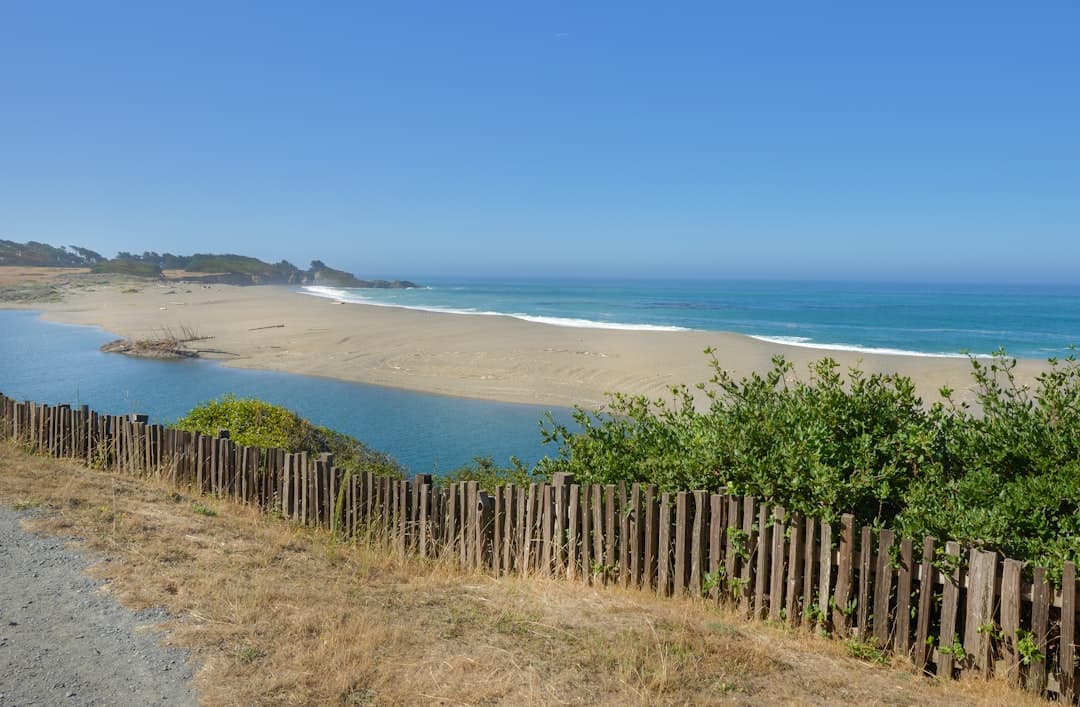
Weddings in Martha's Vineyard
Exclusividad costera de Nueva Inglaterra entre faros históricos, playas salvajes y carpas náuticas
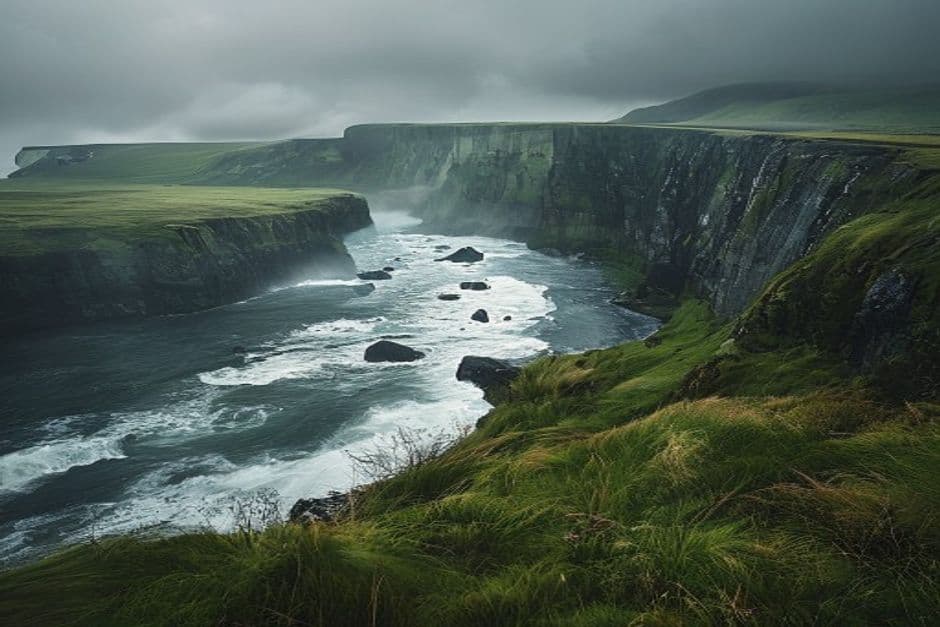
Irlanda
El misterio celta de acantilados escarpados, castillos de piedra y prados esmeralda
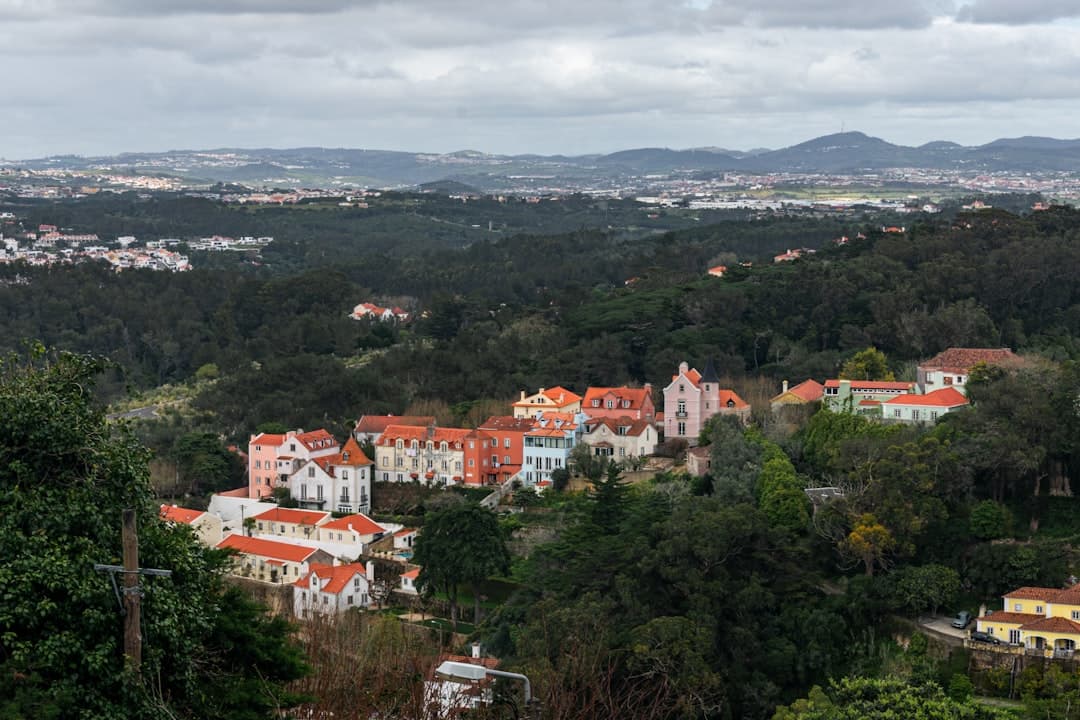
Sintra, Portugal
Palacios románticos entre bosques brumosos, villas solariegas y la brisa del Atlántico
