Planning a Wedding: The Definitive Guide from Start to Finish

Guide revised and updated for 2026.
Planning a wedding can seem like a huge mountain to climb when you first start. Dates, vendors, guests, budget… it all comes at you at once. But with a good plan and the right tools, the process becomes manageable and even enjoyable.
This guide walks you through the process from day one to the big day: no leaps of faith, no endless lists that don’t mean anything. Everything is organized, actionable, and step-by-step.
Table of Contents
- How to Plan a Wedding in 10 Steps (Summary)
- Where to start: the first three decisions
- How much time do you need to plan it?
- The budget: the foundation of it all
- The guest list: more complicated than it seems
- The month-by-month wedding checklist (calendar)
- Legal formalities: don’t forget the paperwork
- Choosing vendors without getting overwhelmed
- How to Plan a Wedding on a Small Budget
- Wedding Day Coordination
- Common Mistakes When Planning a Wedding
- Frequently Asked Questions
How to Plan a Wedding in 10 Steps (Summary)
If you want a quick overview of the order in which a wedding is planned, here are the ten essential steps. We’ll go into more detail on each one below:
- Set the date and maximum budget.
- Estimate the number of guests.
- Reserve the venue (it’s the first thing to sell out).
- Hire key vendors: catering, photography, and music.
- File the marriage paperwork (civil or religious).
- Send out the invitations and collect RSVPs.
- Finalize the details: dress and suit, flowers, decorations, and menu.
- Organize the logistics: transportation, accommodations, and seating plan.
- Prepare the day’s schedule and appoint a coordinator.
- Finalize payments and enjoy the day.
Where to Start: The First Three Decisions
Before you book anything or look at decor photos on Pinterest, there are three decisions that determine everything. If you’re clear on these, the rest of the process goes much more smoothly.
- The date: choose a specific month and year. The peak season in Spain (May–October) is booked 12–18 months in advance. If you get married during the off-season, you’ll have more flexibility and usually pay less. If you’re worried about the weather, check out when to get married in Spain to avoid the rain.
- The number of guests (approximate): You don’t need the final guest list yet, but you do need to know whether you’re looking for an intimate wedding (fewer than 80 people) or a large wedding (more than 150). The guest count determines which venues you can consider.
- The maximum budget: Set a realistic upper limit before you start looking. It’s uncomfortable, but essential. Everything else revolves around this number.
When it comes to the venue, it helps to decide on the city or region early on: take a look at the best destinations for weddings in Spain and book the venue as soon as possible, because that’s the first thing to sell out. To give you an idea of the scale, according to the INE, more than 175,000 weddings were held in Spain in 2024, with the highest concentration during the summer months.
How much time do you need to plan it?
It depends on the type of wedding you’re looking for, but there are timeframes that consistently come up among couples planning their wedding in Spain:
- 18–24 months in advance: ideal for large weddings at estates or highly sought-after venues, especially during peak season.
- 12 months: enough time for most weddings if you start looking for vendors as soon as you have a confirmed date and venue.
- 6–9 months: possible if you’re flexible with dates and venues. It’s not ideal, but it can be done without too much stress.
- Less than 6 months: feasible for small weddings or intimate civil ceremonies. For a wedding with 150 guests, it would be very tight.
Time isn’t everything, but it greatly affects your stress level. Starting early always gives you more leeway to negotiate and compare options calmly.
The budget: the foundation of everything
The budget is the backbone of your wedding. Everything else is built on top of it.
An average wedding in Spain costs between €15,000 and €30,000, depending on the location, the number of guests, and the vendors you choose. But those numbers are just guidelines: what matters is knowing how much you can afford to spend.
How to allocate the money
A typical breakdown usually looks like this (with an example based on a €20,000 budget):
| Category | % of the budget | Example (€20,000 wedding) |
|---|---|---|
| Reception (catering + beverages) | 40–50% | €8,000 – €10,000 |
| Venue or estate | 10–20% | €2,000 – €4,000 |
| Photography and video | 8–12% | €1,600 – €2,400 |
| Music (DJ or band) | 5–8% | €1,000 – €1,600 |
| Flowers and Decor | 5–10% | €1,000 – €2,000 |
| Wedding dress, tuxedo, and accessories | 3–6% | €600 – €1,200 |
| Contingency fund | 10% | €2,000 |
To stay on track, use a wedding budget calculator that lets you track each expense, compare your budget to actual costs, and monitor your spending in real time. If you want to dive deeper into actual figures by region and type of wedding, we recommend the article on how much a wedding costs in Spain.
The guest list: more complicated than it seems
No one tells you this at first, but the guest list is often one of the biggest sources of friction. Family on both sides, friends from different periods of your life, plus-ones…
Here are some tips to help you stay on track:
- Start by making an unfiltered list. Write down everyone who comes to mind without judging yet.
- Then divide it into groups: immediate family, extended family, close friends, coworkers.
- Agree on a clear cutoff rule with your partner before talking to anyone else.
- Calculate the catering cost per person: that puts into perspective whether you can invite 10 more people or not.
Once you’ve more or less finalized the list, managing RSVPs can become chaotic if you do it via WhatsApp or in a spreadsheet. The most practical solution is to use a guest list organizer with RSVP where each person can confirm their attendance, indicate food allergies, and specify whether they’re coming alone or with a guest. It saves you dozens of conversations.
The Month-by-Month Wedding Checklist (Calendar)
A well-organized wedding checklist isn’t an endless list of random tasks. It’s a timeline of decisions spread out over time, so you never have to do everything at once. Here’s the phased structure that works for most weddings:
| When | Key tasks |
|---|---|
| 12–18+ months in advance | Date, venue, budget, and initial guest list. |
| 9–12 months | Photographer, music, catering (if arranged separately), and sending out invitations. |
| 6–9 months | Wedding dress or suit, flowers, and accommodations for out-of-town guests. |
| 3–6 months | Guest favors, transportation, final menu, and RSVP confirmations. |
| 1–3 months | Ceremony rehearsal, day-of schedule, and final coordination with vendors. |
| Wedding week | Final payments, instructions for witnesses, and final review of the day’s schedule. |
The best thing you can do is centralize all of this in a wedding checklist with a calendar, where each task has its own deadline and you can divide responsibilities with your partner without anything falling through the cracks. If you want a task-by-task breakdown, we have a complete month-by-month wedding checklist. Prefer something you can download? You can also compare options for wedding checklist templates in PDF, Excel, or online app to choose the format that best suits your planning needs.
Legal Procedures: Don’t Forget the Paperwork
Amid the excitement of choosing flowers and catering, it’s easy to forget that a wedding is, first and foremost, a legal event. The marriage application is mandatory and can take several months, so it’s best to start the process early.
If you’re having a civil wedding, our guide on how to get married in a civil ceremony in Spain explains all the documents, deadlines, and steps involved in the process. Start the paperwork at least 6 months in advance so it doesn’t affect your wedding date.
Choosing Vendors Without Getting Stressed Out
Vendors are the team that makes your wedding possible. Choosing them wisely is just as important as the venue or the dress.
The key isn’t to hire the most famous or the most expensive vendor, but the one that best fits your style, your budget, and the way you communicate on a daily basis.
Where to look and how to decide
- Ask for recommendations from couples who have recently gotten married in your area.
- Check out specialized forums and groups. Instagram is useful for visual style, but it doesn’t always reflect the actual quality of the service.
- Always request at least 2–3 quotes per category before making a decision.
- Carefully review the contracts: cancellation policies, installment payments, and what happens if there’s an unforeseen issue on the wedding day.
To keep track of who you’ve contacted, what you’ve hired, and what payments are pending, it’s best to use a vendor management tool to centralize all important details, dates, and documents in one place.
If, even with all this, you feel like you’re short on time or experience, you might be wondering if hiring a wedding planner in Spain is worth it for your specific situation.
How to Plan a Wedding on a Budget
A memorable wedding doesn’t have to be expensive. If your budget is tight, these decisions make the biggest difference:
- Reduce the number of guests. This is the most powerful lever: each person multiplies the cost of catering, which is the largest expense.
- Choose the off-season or a weekday. Venues and vendors typically charge significantly lower rates from November through April or on days other than Saturdays.
- Prioritize two or three things that truly matter to you (such as photography and food) and cut back on the rest without regret.
- Opt for a simple civil ceremony and a cocktail reception or lunch instead of a full banquet with an open bar until dawn.
- Use free tools for budgeting, guest lists, and your wedding website instead of hiring individual services.
Wedding Day Coordination
On your wedding day, the goal is for you not to have to manage anything. To achieve this, all the preparatory work must be thoroughly organized well in advance.
Here are some key tips to ensure the day goes smoothly:
- The day’s schedule: prepare a document with a detailed timeline (vendor arrival times, start of the cocktail hour, dinner time, cutting the cake, final song) and share it with everyone involved.
- Appoint a coordinator for the day: this could be a trusted family member or a wedding planner. Someone who knows the plan and can handle any unexpected issues without putting any pressure on you.
- Take care of final payments ahead of time: the wedding day is not the time to make bank transfers or search for envelopes with cash.
- Put together an emergency kit: double-sided tape, a needle and thread, headache pills, safety pins, and a cell phone charger. It comes in handy all the time.
If someone is giving a speech, share our wedding speech guide for witnesses and family members. And if you have guests coming from out of town or who need transportation at the end of the night, coordinating buses in advance prevents chaos: you can manage it through a wedding bus organizer without having to juggle spreadsheets.
Common Mistakes When Planning a Wedding
- Leaving the budget undefined. Without a clear cap, expenses spiral out of control item by item.
- Booking the venue before finalizing the guest list and date. You may end up paying for a venue that’s too large.
- Putting off the legal paperwork until the last minute, when the process can take months.
- Inviting people out of obligation. Every extra guest adds to the cost and logistics; stick to your guest list cutoff.
- Not having a wedding coordinator on the big day and ending up handling unexpected issues yourselves.
Frequently Asked Questions
Where do I start when planning a wedding?
The first step is to decide on three things: the approximate date, the number of guests, and the maximum budget. Once you have those figured out, you can start looking for venues and requesting quotes. Everything else comes after that.
In what order should I plan a wedding?
The logical order is: date and budget → number of guests → venue reservation → key vendors (catering, photography, music) → legal formalities → invitations and RSVPs → details (dress, flowers, menu) → logistics (transportation, seating) → schedule for the day. Booking the venue as soon as possible is a priority, because that’s what gets booked up first.
How long does it take to plan a wedding?
It usually takes between 12 and 18 months for an average wedding in Spain. If you have less time, it’s possible to plan it in 6–9 months, but you’ll have less time to compare vendors and negotiate with them.
How do you plan a wedding on a tight budget?
Reduce the number of guests (this is what lowers catering costs the most), choose the off-season or a weekday, prioritize two or three aspects that really matter to you and cut back on the rest, and use free tools for budgeting, guest lists, and the wedding website instead of hiring individual services.
Do I need to hire a wedding planner?
It’s not essential, but it helps a lot if you have little free time or don’t want to handle the coordination on the wedding day. If you decide to organize it yourselves, digital tools can handle much of what a planner does.
How much does a wedding cost on average in Spain?
The most common range is between €15,000 and €30,000, although it can vary significantly depending on the area, the number of guests, and the vendors you choose. The key is to set a maximum budget from the start and stick to it throughout the entire process.
If you want to get started on all of this in an organized and hassle-free way, plan your wedding starting at €99 with weddings.help: guests, budget, checklist, and much more—all in one place.
Month-by-month wedding checklist
Everything to do and when, from 12 months out to the big day.
Plan your wedding stress-free
Guests, seating, budget, wedding website, transport and much more. All in one place, free to try.
Explore destinations for your wedding

Weddings in Verbier
Lujo alpino exclusivo en los 4 Valles con chalets panorámicos y vistas al Mont Blanc

Weddings in Stresa
La joya del Lago Maggiore entre mansiones Belle Époque e islas de ensueño
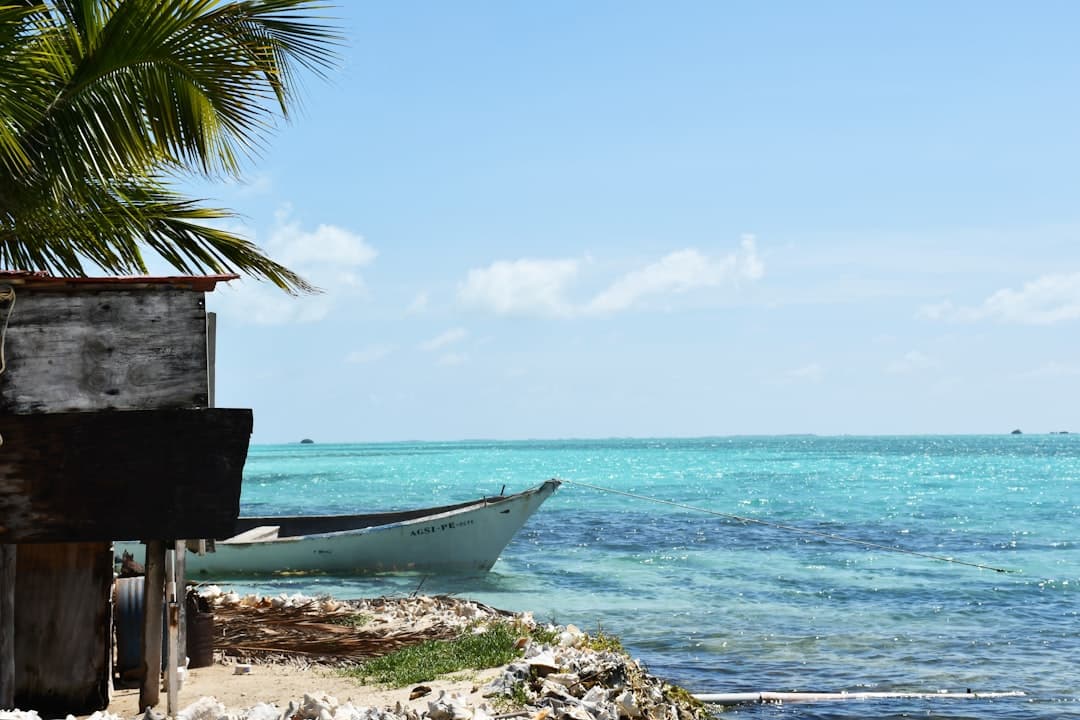
Archipiélago de Los Roques, Venezuela
El secreto más virgen del Caribe: cayos desiertos, bancos de arena blanca y aguas turquesas
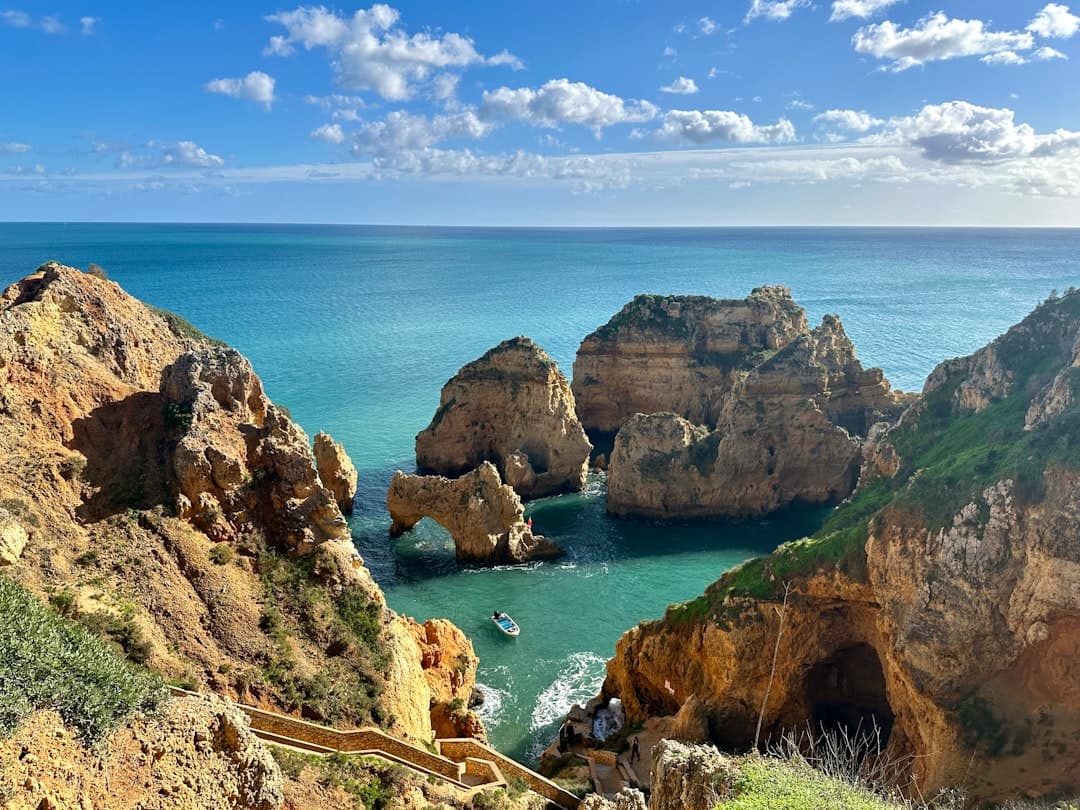
Algarve, Portugal
Acantilados dorados, cuevas marinas secretas y romanticismo mediterráneo
