
Plan
Guests
Your wedding in your pocket
The weddings.help app for iPhone and iPad, synced with the website.
Download on theApp StoreCouples
Guest photo album
A QR code on every table and every photo of the day in one place. 3 GB included with paid plans.
Learn moreWhere
Will it rain that day?
Check the chance of rain and heat in your city before you book.
Check the weatherLearn
Essential Vendors for a Wedding in Spain: The Complete List

The essential wedding vendors are the professionals without whom your celebration simply won’t work: the venue, catering, photography, music, and coordination, among others. Choosing the right ones is the difference between a perfect day and a series of last-minute surprises.
If you’re just starting to plan your wedding in Spain and aren’t sure which professionals you need to hire, this guide provides the complete list: the essential ones, the optional ones that make a difference, and how much of your budget to allocate to each.
Key Points
- An average wedding in Spain requires between 8 and 12 vendors, depending on the size and style of the celebration.
- The venue and catering account for 50–60% of the budget; the rest is divided among photography, music, decor, and other services.
- Booking 12–18 months in advance is key to securing the best professionals.
- A digital vendor management tool helps you centralize contracts, payments, and dates without missing a thing.
Table of Contents
- How Many Vendors Does a Wedding Need?
- The 10 Essential Vendors
- Optional Vendors That Elevate the Experience
- What Percentage of the Budget to Allocate to Each One
- How to Identify a Good Wedding Vendor
- How to Manage All Your Vendors Without Chaos
- Frequently Asked Questions
How many vendors does a wedding need?
There’s no set number. An intimate wedding with 50 guests can work with 6 or 7 vendors, while a celebration with 200 guests easily requires 15 or more.
The average in Spain is between 8 and 12 vendors. What matters isn’t how many you hire, but that each one fulfills an essential role without leaving any gaps. A good starting point is to review your wedding checklist and note down which services you need.
Some venues (estates, hotels, restaurants) include catering, coordination, or decor in their package. This reduces the number of separate contracts and can greatly simplify the logistics.
The 10 Essential Vendors for Your Wedding
These are the professionals every wedding needs, regardless of its style. If you can only hire a few, prioritize this list.
1. Venue or estate
The venue sets the tone for the entire celebration. It’s the first thing you’ll book because the best wedding venues sell out more than a year in advance. A rustic estate, a charming hotel, a restaurant with a garden, or a beach: choose based on your style and the number of guests.
2. Catering or Food Service
Along with the venue, this is the largest item in the budget. It can be a service provided by the venue itself or an outside caterer. It covers the reception, the welcome cocktail, and, in many cases, the open bar.
Always request a pre-wedding tasting and clarify exactly what’s included in the price per guest: sales tax, service charge, children’s menu, and extras.
3. Photographer
The wedding photographer ensures your memories last forever. Look for a style that represents you (documentary, editorial, natural) and review complete photo essays from actual weddings, not just the best individual photos in the portfolio.
4. Videographer
More and more couples in Spain consider video just as essential as photography. A good videographer captures the emotions, speeches, and spontaneous moments that photos don’t convey. Ask if they provide a teaser, the full video, or both.
5. DJ or Live Music
Music sets the mood for every moment: the ceremony, the cocktail hour, and the dance. Many couples opt for a DJ with their own sound and lighting equipment, though a live band for the cocktail hour is a special touch that always makes an impression.
6. Florist and Decor
Bouquets, centerpieces, the ceremony arch, and the overall ambiance of the venue. A good florist works with seasonal flowers to balance price and freshness, and can transform any space.
7. Hair and Makeup
Essential for the bride and, increasingly, for the bridesmaids and other guests. Book months in advance and schedule a trial session to avoid surprises on the big day.
8. Wedding Officiant
If it’s a civil wedding, you’ll need an officiant to lead the ceremony. This could be a justice of the peace, a notary, or a professional master of ceremonies who personalizes the script. For religious weddings, the priest or minister.
9. Invitations and Stationery
From the formal invitation to the day’s signage: welcome sign, program, and seating chart. Today, many couples combine digital invitations via their wedding website with select printed items.
10. Transportation
If the venue isn’t in the city center, you’ll need to arrange buses or shuttles for your guests. This is a service many couples forget until the last minute, yet it helps avoid parking and traffic safety issues.
Optional vendors that elevate the experience
They aren’t strictly necessary, but they can make a world of difference in your guests’ experience:
- Wedding planner or day-of coordinator: handles the logistics so you can just enjoy yourselves. Especially useful for weddings with more than 100 guests.
- Photo booth: a fun corner that creates instant memories.
- Artisanal pastries: a spectacular cake or a dessert table with its own unique style.
- Children’s entertainment: if there are children, a caregiver or entertainer keeps parents from having to watch over them all night.
- Professional lighting: string lights, custom neon signs, or ambient lighting that transforms the space as night falls.
- Wedding car: a classic car, a vintage van, or simply an elegant vehicle for the bride and groom’s arrival.
What percentage of the budget should be allocated to each vendor
There’s no universal rule, but these ranges serve as a useful reference for a wedding in Spain. Use the Weddings.help budget calculator to adjust the figures to your specific situation.
- Venue + catering: 45–55% of the total.
- Photography + video: 10–15%.
- Music and entertainment: 5–8%.
- Florist and decor: 5–10%.
- Hair and makeup: 2–4%.
- Invitations and stationery: 2–3%.
- Transportation: 2–5%.
- Contingencies: Always set aside 5–10% for unexpected expenses.
If you want to see how different quotes for the same category compare, check out our guide on how to compare vendor quotes.
How to Identify a Good Wedding Vendor
With so many options available, distinguishing a reliable professional from one who will cause problems is essential. Here are the signs that should give you confidence:
- Clear and detailed contract: it describes services, schedules, the final price including sales tax, cancellation policy, and payment method.
- Portfolio of actual work: not just catalog photos, but complete photo essays from past weddings or verifiable references.
- Smooth communication: responds within a reasonable timeframe, is proactive, and addresses questions directly.
- Specific experience with weddings: a corporate event photographer is not the same as a wedding photographer. Look for specialization.
- Reasonable flexibility: adapts to last-minute changes without drama, within the agreed-upon terms.
Before signing any contract, review the key questions you should ask each vendor.
How to manage all your vendors without chaos
With 8, 10, or 12 vendors on board, losing track of things is easier than you think. Contracts stored in different folders, payments left halfway done, WhatsApp confirmations that get lost in your chat history…
The key is to centralize all the information in one place. The Weddings.help vendor manager lets you see all your vendors at a glance, including their contact info, contracts, payments made and pending, and notes from each meeting.
That way, when you need to check if you’ve already paid the photographer’s deposit or when the makeup trial is, everything is just a click away instead of having to dig through emails and messages.
Frequently Asked Questions
How many vendors do I need for a small wedding?
For a wedding with 30 to 50 guests, 6 to 8 vendors are usually sufficient. The venue, catering, photographer, music, florist, and hairstylist cover the essentials. You can skip transportation if the venue is centrally located and stationery if you use digital invitations.
How far in advance should I book vendors?
Ideally, you should start looking 12 to 18 months in advance. Venue and catering are the first to book up. It’s best to secure your photographer and videographer at least 10 months in advance. The final details (stationery, transportation) can wait until 3–4 months before the wedding.
Is it mandatory to sign a contract with all vendors?
It’s not legally required, but it’s highly recommended. A contract protects both parties, details what the service includes, sets the final price, and establishes the cancellation terms. Without a contract, any misunderstanding becomes a problem with no clear solution.
Is it worth hiring a wedding planner?
It depends on your time, experience, and the size of the wedding. A wedding planner provides contacts, negotiates prices, and coordinates the day so you can enjoy it without any worries. For weddings with more than 100 guests or couples with little free time, it’s usually worth the investment.
Month-by-month wedding checklist
Everything to do and when, from 12 months out to the big day.
Plan your wedding stress-free
Guests, seating, budget, wedding website, transport and much more. All in one place, free to try.
Explore destinations for your wedding

Weddings in Lucerna
Fantasía medieval y cumbres alpinas reflejadas en el lago de los Cuatro Cantones

Weddings in Killarney
Magia celta entre lagos infinitos, castillos centenarios y bosques cubiertos de musgo

Valle del Duero, Portugal
Viñedos esculpidos en terrazas a orillas del río Duero
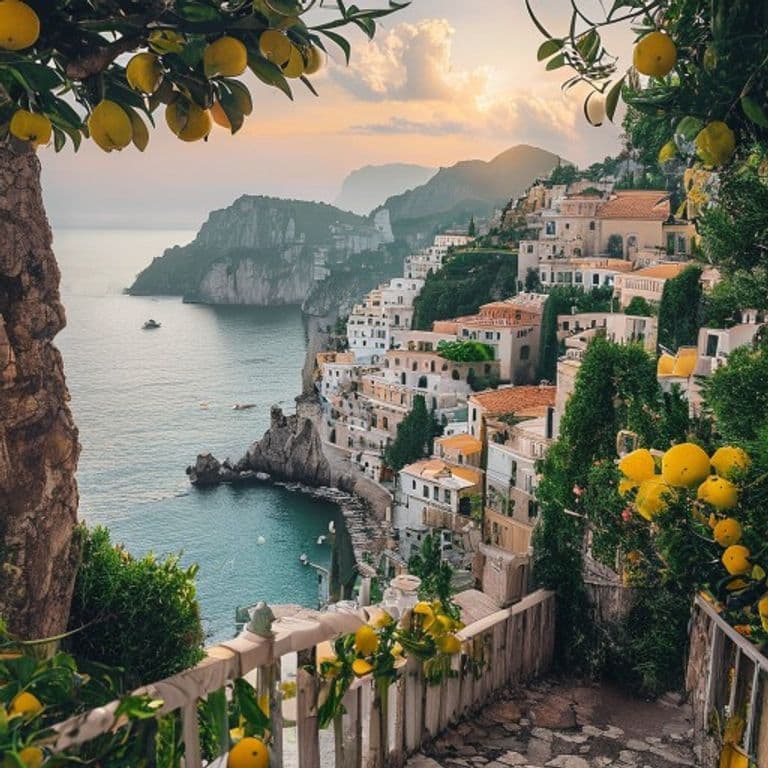
Costa de Amalfi, Italia
La Dolce Vita entre acantilados y aroma a limón
