
Plan
Guests
Your wedding in your pocket
The weddings.help app for iPhone and iPad, synced with the website.
Download on theApp StoreCouples
Guest photo album
A QR code on every table and every photo of the day in one place. 3 GB included with paid plans.
Learn moreWhere
Will it rain that day?
Check the chance of rain and heat in your city before you book.
Check the weatherLearn
Bridal Bouquets 2026: Types, Trends, and How to Choose Yours

The bridal bouquet is much more than just a floral accent: it’s the accessory that will be with you in every photo, during the ceremony, and when you toss it. Choosing the right type of bouquet, flowers, and style makes the difference between a look that simply “looks good” and one that truly represents you.
In this guide, we’ll go over the main types of bridal bouquets, the top trends for 2026, how to match it with your dress, and when to order it so everything turns out perfectly.
Key Points
- The round bouquet is the most versatile and looks great with almost any dress silhouette.
- Wild, unstructured bouquets are the big trend for 2026: natural, full of movement, and with an organic feel.
- A preserved bouquet allows you to keep the flowers for years and should be ordered further in advance.
- Choose flowers based on the season of your wedding to save money and ensure freshness.
- Order the bouquet at least 3 months in advance and ask the florist for a trial arrangement.
Table of Contents
- Types of bridal bouquets
- 2026 Bridal Bouquet Trends
- How to Choose a Bouquet to Match Your Dress
- Preserved Bridal Bouquets: Benefits and Care
- The Most Popular Flowers for a Bridal Bouquet
- When to Order Your Bouquet and What to Ask the Florist
- Frequently Asked Questions
Types of Bridal Bouquets
Not all bouquets are the same. The type of bridal bouquet you choose affects the visual balance, how comfortable it is to carry, and the overall style of your look. These are the most common types:
Round Bouquet
The quintessential classic. Compact, symmetrical, and easy to hold. It’s the most photographed bridal bouquet and pairs well with virtually any dress, from the simplest to the most elaborate.
Cascading bouquet
Elongated, with flowers that “fall” downward, creating a teardrop shape. It adds drama and verticality. Ideal for long, form-fitting dresses, but it can look excessive with voluminous, princess-style silhouettes.
Wild or unstructured bouquet
No defined shape, featuring branches, leaves, and flowers of various sizes. It conveys a natural feel and is perfect for outdoor, rustic, or garden weddings. It’s a favorite among brides looking for an organic, carefree look.
Pageant-style (arm) bouquet
Held resting on the forearm, with the long stems visible. Very elegant and unique. It works especially well with minimalist or straight-cut dresses.
Posy
Small and round, with just a few flowers tied with a ribbon. Discreet, lightweight, and perfect for civil weddings or intimate celebrations where you don’t want the bouquet to steal the spotlight.
2026 Bridal Bouquet Trends
Bridal bouquet trends in 2026 emphasize the natural, the sustainable, and the personal. Here are the ones we’re seeing most often at weddings this season:
- Wild and organic style: unstructured bouquets with grasses, branches, and wildflowers. Less “perfect,” more authentic.
- Powdery tones: nude pinks, off-whites, soft lavenders, and muted greens. Palettes that harmonize with the latest wedding decor trends.
- Dried and preserved flowers: combined with fresh flowers or as an entire bouquet. Ideal if you want to keep the bouquet as a permanent keepsake.
- Single-flower arrangement: a single type of flower (peonies only, garden roses only) in generous quantities. Simplicity with visual impact.
- Personal touch: ribbons embroidered with your initials, a family brooch, or a keepsake medallion on the handle. Details that tell a story.
The key in 2026 is that there’s no “right bouquet”—what matters is that it reflects your personality and the style of your wedding.
How to Choose Your Bouquet Based on Your Dress
The bridal bouquet should complement the dress, not compete with it. The basic rule is to balance the proportions and level of detail between the two.
- Plain, minimalist dress: a bouquet with texture and volume (wildflower, soft cascade). The bouquet adds the focal point that the dress doesn’t aim for.
- Dress with lots of detail (lace, beading): a simple, compact bouquet (round, posy). This keeps the overall look from feeling overwhelming.
- A-line or princess silhouette: medium-sized round bouquet. The rounded shape harmonizes with the full skirt.
- Mermaid or form-fitting dress: cascading or elongated bouquet. It slims the figure and complements the body’s vertical lines.
- Short dress or pantsuit: small bouquet or pageant-style bouquet. This maintains the look’s casual feel.
If you haven’t yet decided on your wedding dress, wait until you’ve made up your mind before finalizing the bouquet design with the florist. The logical order is always the dress first, then the bouquet.
Preserved bridal bouquet: advantages and care
A preserved bridal bouquet is a bouquet made with natural flowers treated through a process of dehydration and glycerin that maintains their original appearance for years. It’s not an artificial bouquet: these are real flowers that retain their texture, color, and shape.
Its main advantages:
- It lasts for years as a memento of your wedding (between 2 and 5 years with proper care).
- It’s ordered weeks in advance so you don’t have to worry about freshness: you’ll see the finished product before the big day.
- Not seasonal: you can have peonies in December or ranunculus in August.
- No surprises: you’ll receive it exactly as you approved it, with no last-minute changes.
For care, avoid direct sunlight and high humidity, and don’t get it wet. The price is usually slightly higher than that of fresh flowers (between €150 and €400 depending on size and flowers), but since it doesn’t require refrigeration or last-minute assembly, it may be worth it.
The Most Popular Flowers for a Bridal Bouquet
The choice of flowers defines the character of the bouquet. These are the most popular choices for weddings in Spain, along with their ideal seasons:
- Rose (year-round): the queen of bridal bouquets. Versatile, available in dozens of colors, and always elegant.
- Peony (April–June): voluminous and romantic. Highly sought-after, but only available in the spring (out of season, the price triples).
- Buttercup (January–May): similar to the peony but smaller and more affordable. Ideal for bouquets with texture and layers.
- Hydrangea (June–October): adds volume with just a few blooms. Perfect for large bouquets without breaking the budget.
- Eucalyptus and olive (year-round): greenery that adds movement and a Mediterranean touch. Widely used in rustic and outdoor weddings.
- Carnation (year-round): once considered “inelegant,” it’s making a strong comeback in 2026 in contemporary-style single-flower bouquets.
A good florist will advise you based on your wedding date and budget. Jot down the flowers you like and bring them visual references (screenshots from Pinterest or Instagram): it’s the most effective way to communicate what you want. You can use the Weddings.help vendor manager to save florists’ contact information and compare quotes.
When to Order Your Bouquet and What to Ask the Florist
Don’t leave the bouquet until the last minute. Order it at least 3 months in advance if it’s made with fresh flowers, and 4–6 months in advance if it’s preserved. During peak wedding season (May through October), good florists book up quickly.
Key questions for your first meeting with the florist:
- What flowers will be in season on my wedding date?
- Can I see previous work of bouquets similar to the style I’m looking for?
- Does the quote include the bride’s bouquet, the bridesmaids’ bouquets, and the boutonnieres?
- Do you offer a trial arrangement? Many florists provide a sample bouquet a few weeks in advance.
- How is the bouquet preserved until the ceremony? (Very important for summer weddings.)
Add the task “Choose a florist and finalize the bouquet design” to your wedding checklist so you don’t forget it. And if you want the bouquet to appear on your digital invitation or on your wedding website, coordinate the colors with your florist before finalizing the design.
Frequently Asked Questions
How much does a bridal bouquet cost in Spain?
The price of a bridal bouquet in Spain ranges from €80 to €300 for fresh flowers, depending on the flowers chosen and the size. A preserved bouquet typically costs between €150 and €400. Peonies and out-of-season flowers significantly increase the final price.
What’s the difference between a preserved bouquet and a dried flower bouquet?
A preserved bouquet uses natural flowers treated with glycerin that retain their original appearance for years. Dried flowers are air-dried and lose their color and flexibility. A preserved bouquet feels and looks much more like fresh flowers.
Can I carry a bouquet at a civil wedding?
Yes, there is no rule against it. At civil weddings, small posy-style bouquets are usually preferred, in keeping with the less formal nature of the celebration. Wildflower bouquets or a simple arm bouquet also work very well.
Who traditionally pays for the bride’s bouquet?
Traditionally in Spain, the groom paid for the bouquet as a gift to the bride, but today it’s more common for the couple to include it in the overall wedding budget. The important thing is to factor it in from the start so it doesn’t get left out of the calculations.
Month-by-month wedding checklist
Everything to do and when, from 12 months out to the big day.
Plan your wedding stress-free
Guests, seating, budget, wedding website, transport and much more. All in one place, free to try.
Explore destinations for your wedding

Weddings in Schwerin
La ciudad de los siete lagos y el castillo de cuento de faldas del báltico
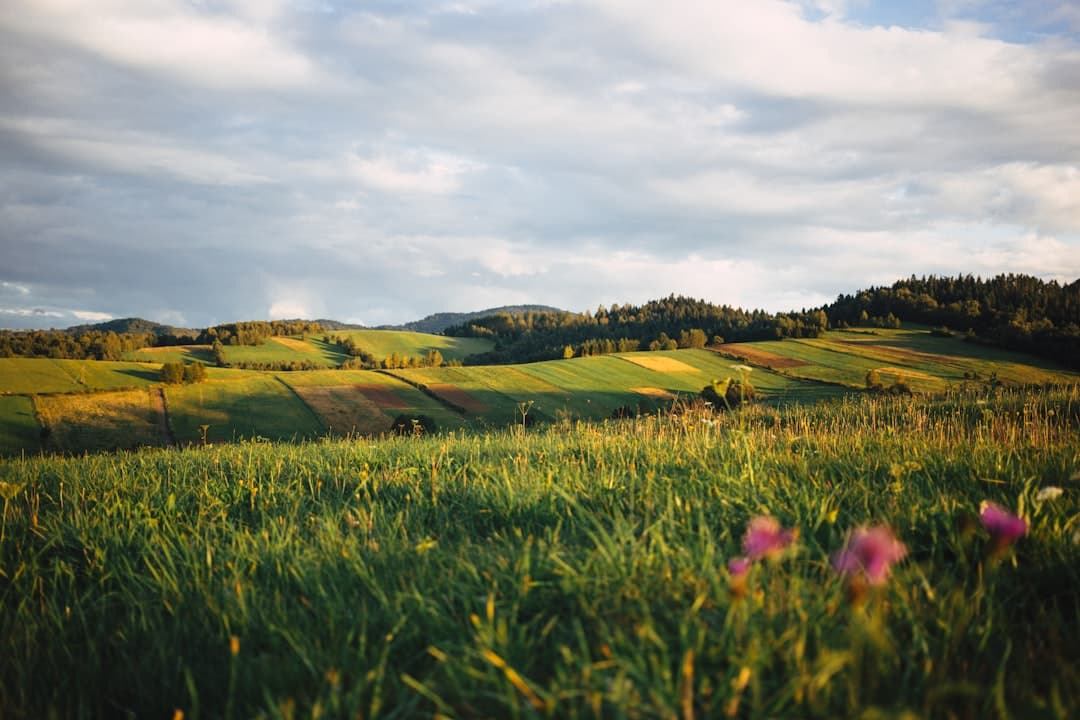
Weddings in Cracovia
Magia real polaca, plazas históricas y castillos de leyenda
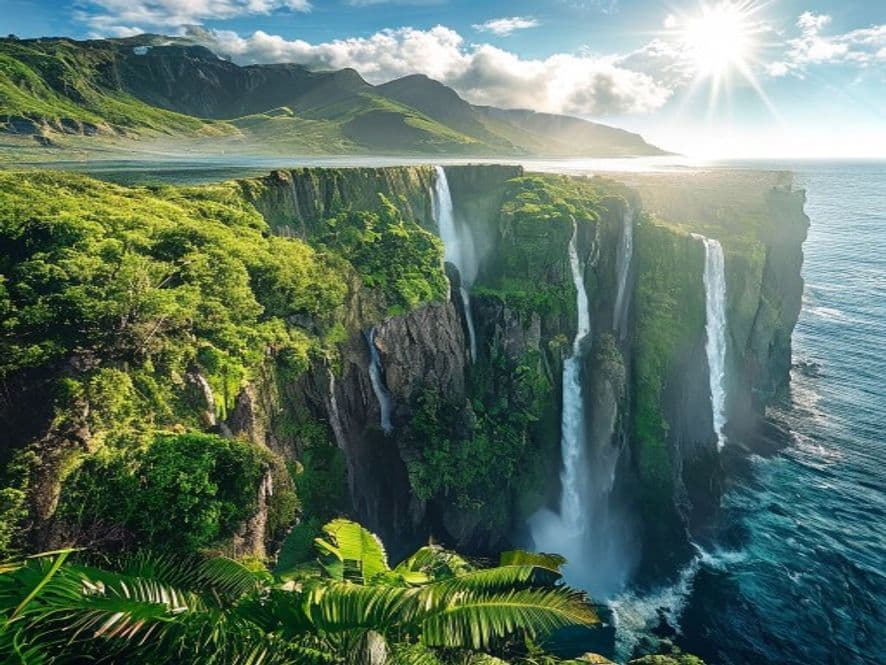
Madeira, Portugal
El jardín atlántico de cascadas salvajes y picos infinitos
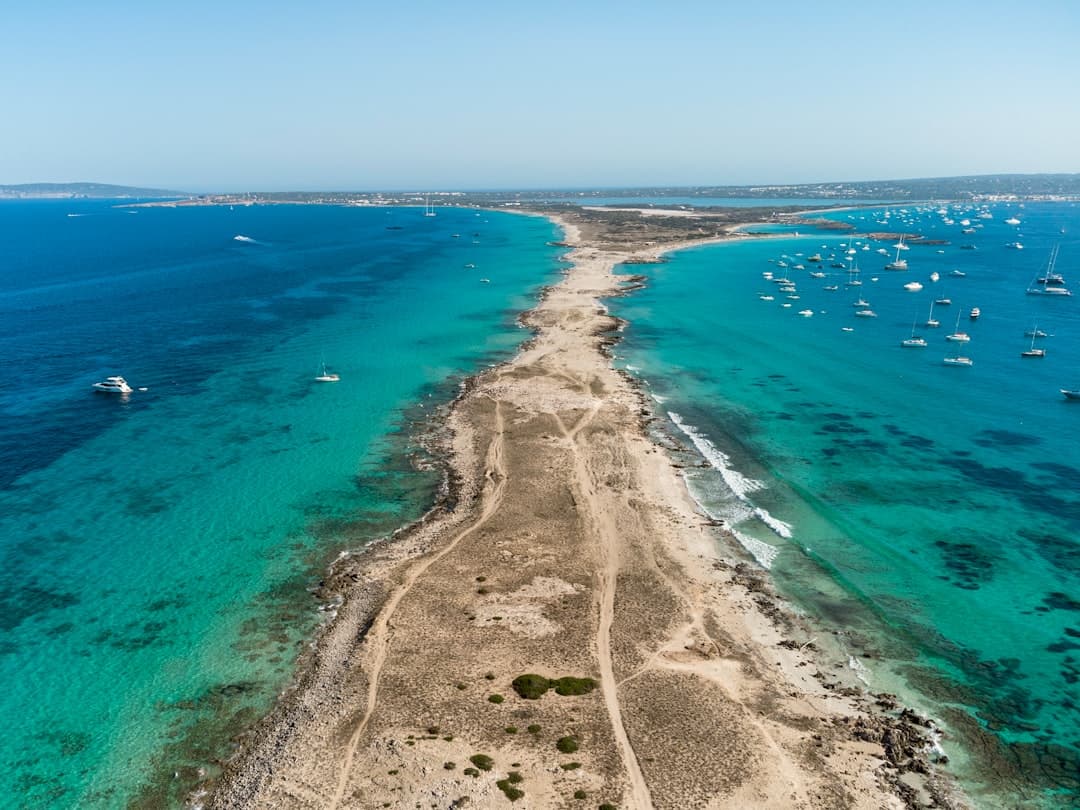
Formentera, Islas Baleares (España)
El último paraíso virgen del Mediterráneo: aguas turquesas cristalinas, faros infinitos y lujo descalzo
